Our SaaS brandsReady to use today, on a subscription
Each of these is one of our own SaaS products — subscribe and get straight to using it, no build required. Some, like Edlakes, also have a full Application page with the deeper story behind the platform.
Edlakes
One system across every campus
Admissions, student records, and staff workflows for multi-campus institutions, run as one connected system instead of a different tool bolted on per campus.
iGrocers
Grocery ordering, without the trip
Halal-certified, HACCP- and AQIS-approved South Asian, Middle Eastern and African groceries, ordered online and delivered across metropolitan Perth within 48 hours.
VOPHA
Virtual Ophthalmology Academy
A virtual academy for ophthalmic professionals: structured e-learning courses, quizzes and assignments, and virtual conferences, built in collaboration with ophthalmological societies and academies since its 2020 launch.
Unilakes Cloud
Hosting and .ae domains, one account
SSD-backed cloud hosting with a 99.9% uptime guarantee, global data centers, and straightforward .ae domain registration — bundled with hosting instead of a separate local registrar account.
eMeito
AI social media content, in minutes
An AI social media calendar generator that creates complete, platform-optimized content plans — captions, hashtags, CTAs and visuals included — in minutes.
U
Unilakes LMS
Corporate training, not Edlakes' campus LMS
Untracked compliance training is an audit finding waiting to happen, and ad-hoc onboarding means every new hire ramps at a different speed. Unilakes LMS is built for internal workforce training and compliance — Edlakes is our separate, education-specific product for multi-campus institutions running on the same underlying engine.
C
Custom Application
If your team works around software instead of with it, that workaround has a real cost. It shows up every day the tool doesn't quite fit, and it adds up faster than most people realize.
Need something purpose-built instead of off-the-shelf? That's custom platform development — see Case Studies for what we've delivered for clients that way.
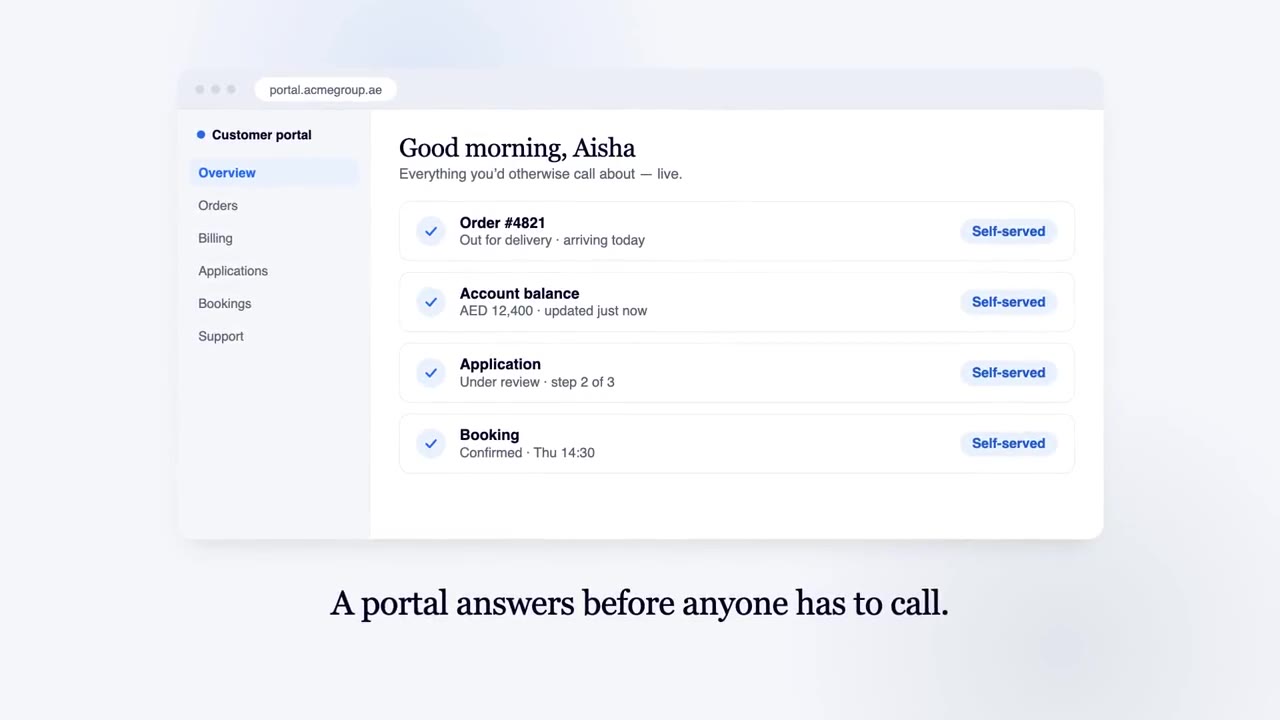 Portals & Platforms, in 42 seconds